
KUWAIT: Kuwait marks the 65th anniversary of its independence Friday, a landmark occasion in the nation’s history that reflects the beginning of its journey as a sovereign state and its continued progress in development, prosperity and institution-building.
The occasion embodies the values of loyalty and national belonging deeply rooted among Kuwaitis, who remain united behind their leadership in advancing development and safeguarding the country’s security, stability and achievements.
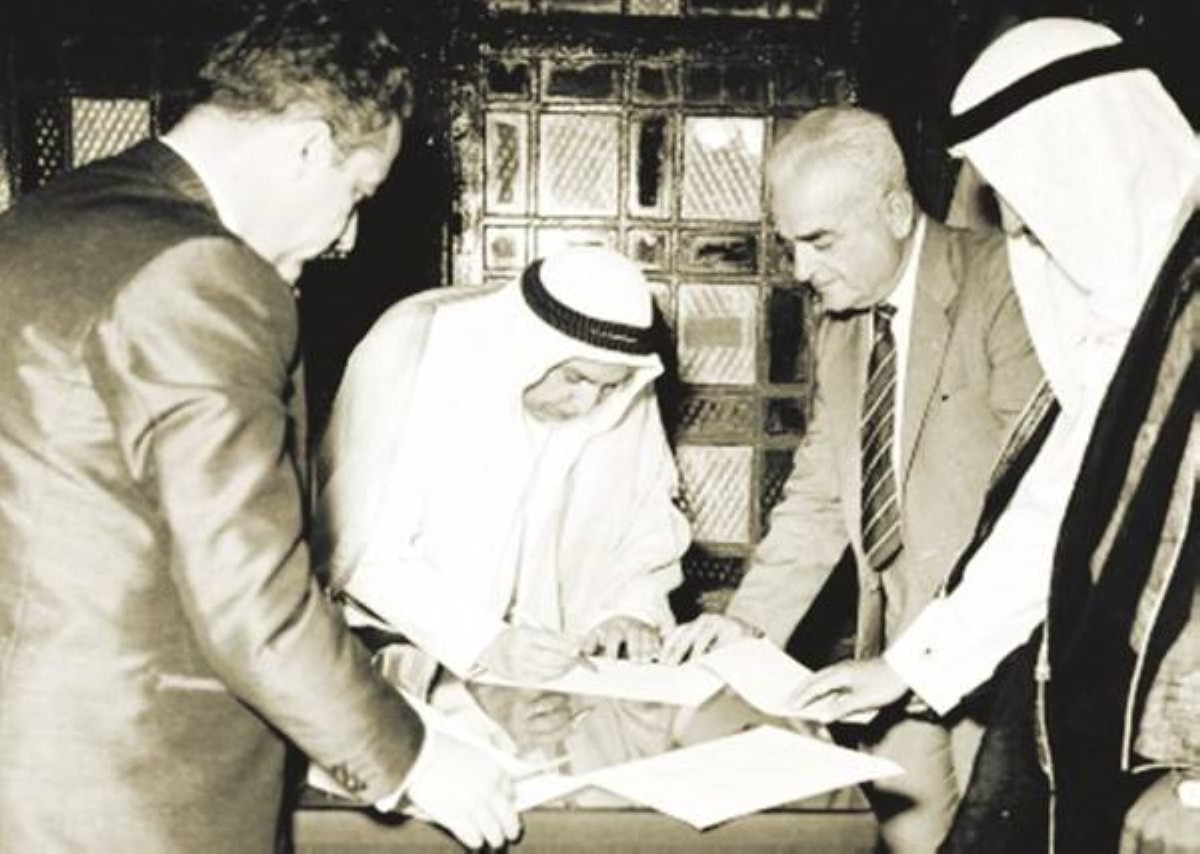
Over the decades, Kuwait has consolidated its standing regionally and internationally through the establishment of state institutions, the rule of law and working on development plans towards a promising future.On June 19, 1961, the late Amir Sheikh Abdullah Al-Salem Al-Sabah declared the termination of the 1899 protection agreement with Britain, ushering in a new era of full sovereignty and political independence for Kuwait.
Kuwait has continued its development journey under the leadership of His Highness the Amir Sheikh Meshal Al-Ahmad Al-Jaber Al-Sabah and His Highness the Crown Prince Sheikh Sabah Khaled Al-Hamad Al-Sabah.
The country has achieved notable accomplishments across various sectors through forward-looking development strategies and has maintained an active role in addressing regional and international issues while strengthening its humanitarian contributions worldwide.
Following the signing of the independence document in 1961, Sheikh Abdullah Al-Salem Al-Sabah addressed the Kuwaiti people, describing the occasion as the beginning of a new chapter in the nation’s history and the attainment of full independence and sovereignty.
Nearly three years later, an Amiri decree issued on May 18, 1964 merged Independence Day celebrations with the National Day marking the accession of Sheikh Abdullah Al-Salem Al-Sabah, observed annually on February 25.Before independence, Sheikh Abdullah Al-Salem Al-Sabah had undertaken extensive efforts since assuming power in 1950 to prepare the country for self-governance, achieve independence and proclaim the constitution.
On August 26, 1961, an Amiri decree called for elections to the Constituent Assembly, which was tasked with drafting a constitution based on democratic principles and a clear framework of governance.
The elected assembly completed the draft constitution, consisting of 183 articles, within nine months, laying the foundation for Kuwait’s constitutional and parliamentary system. Following independence, Kuwait introduced a series of legislative and administrative reforms, including laws governing nationality, currency and passports, as well as measures regulating government institutions and the judiciary.
The country also expanded its international presence through membership in Arab, regional and global organizations and participation in major international forums.On November 30, 1961, the UN Security Council began considering Kuwait’s application for membership.
On May 14, 1963, Kuwait was admitted to the United Nations as its 111th member state.Even before independence, Kuwait had established well-organized government departments in areas such as public works, health, education, municipality services, communications, electricity, water, social affairs and media.
Following its independence, Kuwait steadily advanced toward the new international order and international legitimacy by rejecting aggression, protecting human rights, respecting states’ sovereignty, and refraining from interference in the internal affairs of other countries.
Kuwait also firmly believed in the role of the United Nations in maintaining international peace and security.Sixty-five years after independence, Kuwait continues implementing development plans and strategic initiatives aimed at strengthening economic and social progress while maintaining a balanced foreign policy focused on preventive diplomacy and the peaceful resolution of disputes.
Kuwait’s independence anniversary remains a cherished national occasion that reflects pride in the country’s history, achievements and the determination of its people to continue the march of progress and prosperity. (KUNA)
Was this news helpful?
0 people liked this