

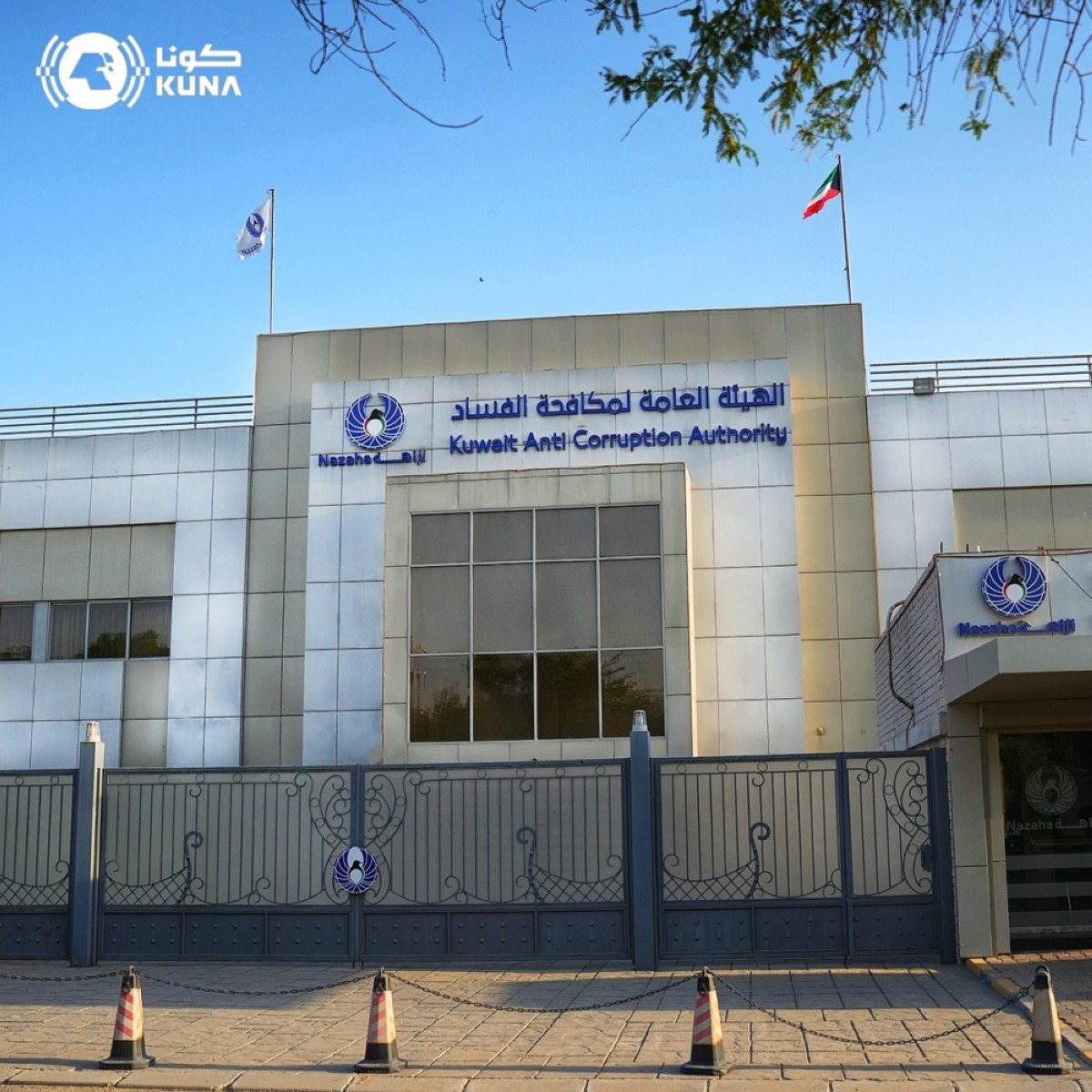
KUWAIT: The Kuwait Anti-Corruption Authority (Nazaha) announced on Tuesday the completion of its first National Strategy for Enhancing Integrity and Combating Corruption (2019-2025), marking the conclusion of a six-year institutional effort documented in its sixth and final annual report. In a press statement, Nazaha said the report highlights the establishment of a comprehensive national system grounded in legislative reform, improved governance of public administration, enhanced efficiency, and the digital transformation of government services, in addition to preparations for the next strategic phase.
The report showed that the cumulative implementation rate of the strategy’s initiatives reached around 90 percent, reflecting what it described as the maturity of Kuwait’s public policy framework in the field of integrity and anti-corruption, despite various exceptional challenges. Nazaha said the final year of the strategy witnessed key legislative developments, most notably amendments to its founding law under Decree-Law No 69 of 2025. The amendments strengthened the financial disclosure system, expanded provisions on illicit enrichment and enhanced protections for whistleblowers.
It also referred to Decree-Law No 79 of 2025 on international judicial cooperation in criminal matters, which it said has improved the effectiveness of prosecution in cross-border corruption cases. These reforms complemented earlier legislation, including the Right to Information Law and the Conflict of Interest Law. In governance, Nazaha said significant progress was achieved through the adoption of the National Guide for Administrative Governance and its executive manual, alongside the rollout of codes of conduct for public officials across the executive, judicial and law enforcement sectors.
The Authority added that implementation was reinforced through the “Performance” project, along with strengthened internal accountability and auditing mechanisms, contributing to improved government performance and greater public trust in state institutions. On public services, the report noted continued advancement in Kuwait’s digital transformation through the unified government e-services application “Sahel,” which now includes 42 government entities and offers more than 505 electronic services. The platform has contributed to simplifying procedures, reducing direct interaction and limiting opportunities for corruption. It also received the Arab Government Excellence Award 2025.
In the economic and commercial sector, Nazaha said the strategy supported integrity and governance through initiatives aimed at enhancing institutional discipline and improving business practices. These included the development of auditing and accounting frameworks and strengthened compliance with professional standards through the Auditors Law No. 103 of 2019, improving financial transparency and data reliability. The Authority also highlighted awareness and training programs aimed at promoting ethical business conduct and strengthening corporate responsibility, in addition to updated governance frameworks designed to improve risk management, clarify responsibilities and reinforce disclosure principles within a structured and competitive economic environment.
Nazaha further noted that its national strategy project received the Arab Government Excellence Award 2025 in the category of “Best Arab Project for Developing Government Work,” describing it as regional and international recognition of Kuwait’s integrated institutional approach. The report added that Kuwait is now preparing for a new post-2025 strategic phase, developed in cooperation with the United Nations Development Program (UNDP) through extensive consultations involving more than 250 participants from 70 government and non-government entities. Nazaha concluded that the achievements of the 2019-2025 period represent a foundational stage in a long-term national effort to strengthen integrity, combat corruption, and reinforce confidence in public institutions. (KUNA)
Was this news helpful?
0 people liked this